Australia's Tobacco Plain Packaging Act 2011 set precise visual standards — then had to defend them before two international tribunals.
Australia's plain packaging law was never just a branding restriction. The Tobacco Plain Packaging Act 2011, which received royal assent on 1 December 2011 and took full effect on 1 December 2012, specified the appearance of every tobacco package sold in the country down to the Pantone colour of the cardboard. The law emerged from years of domestic public-health policy and was immediately challenged on two distinct legal fronts — one under an investment treaty, one under international trade rules. Both challenges failed.
What the Law Required
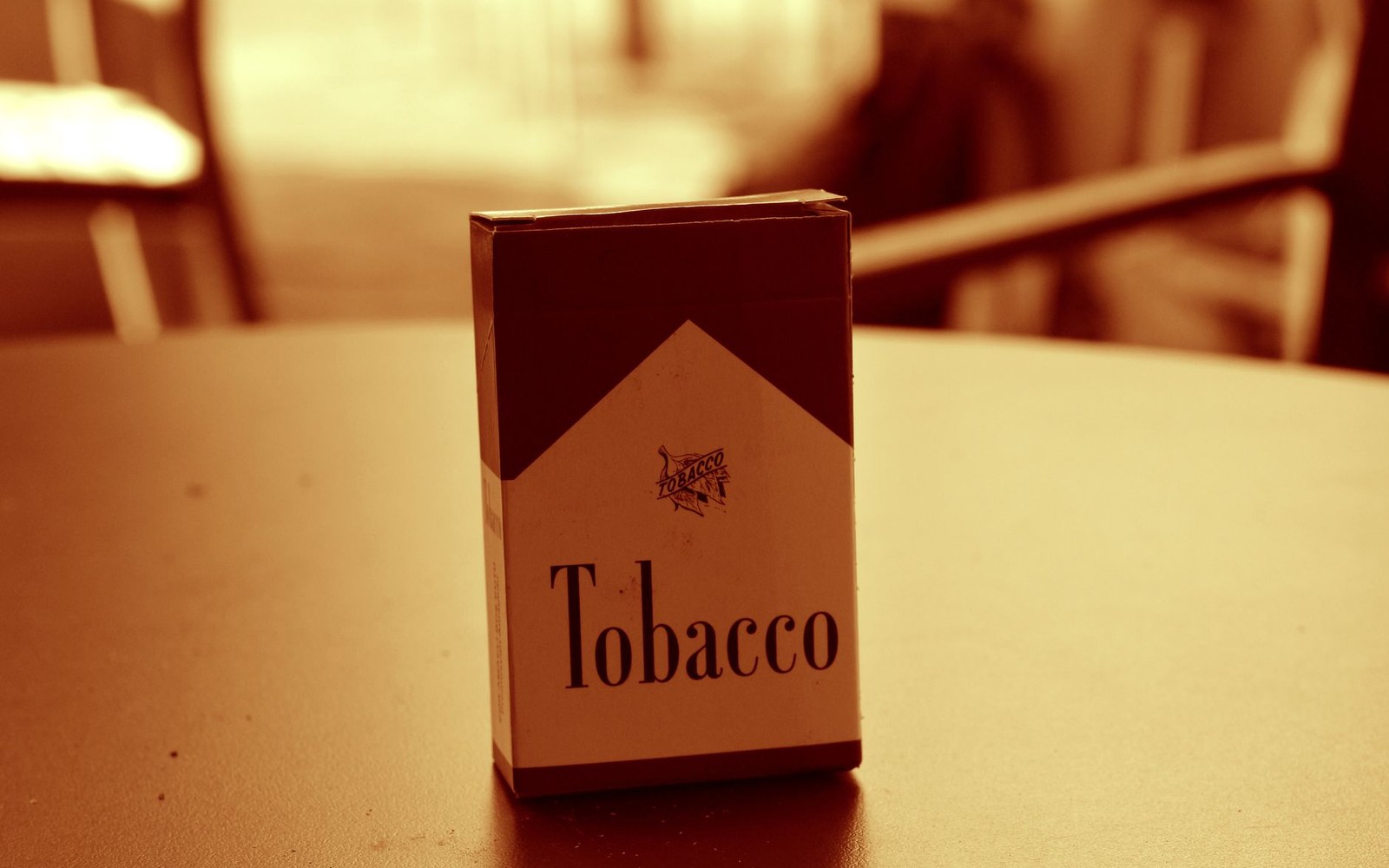
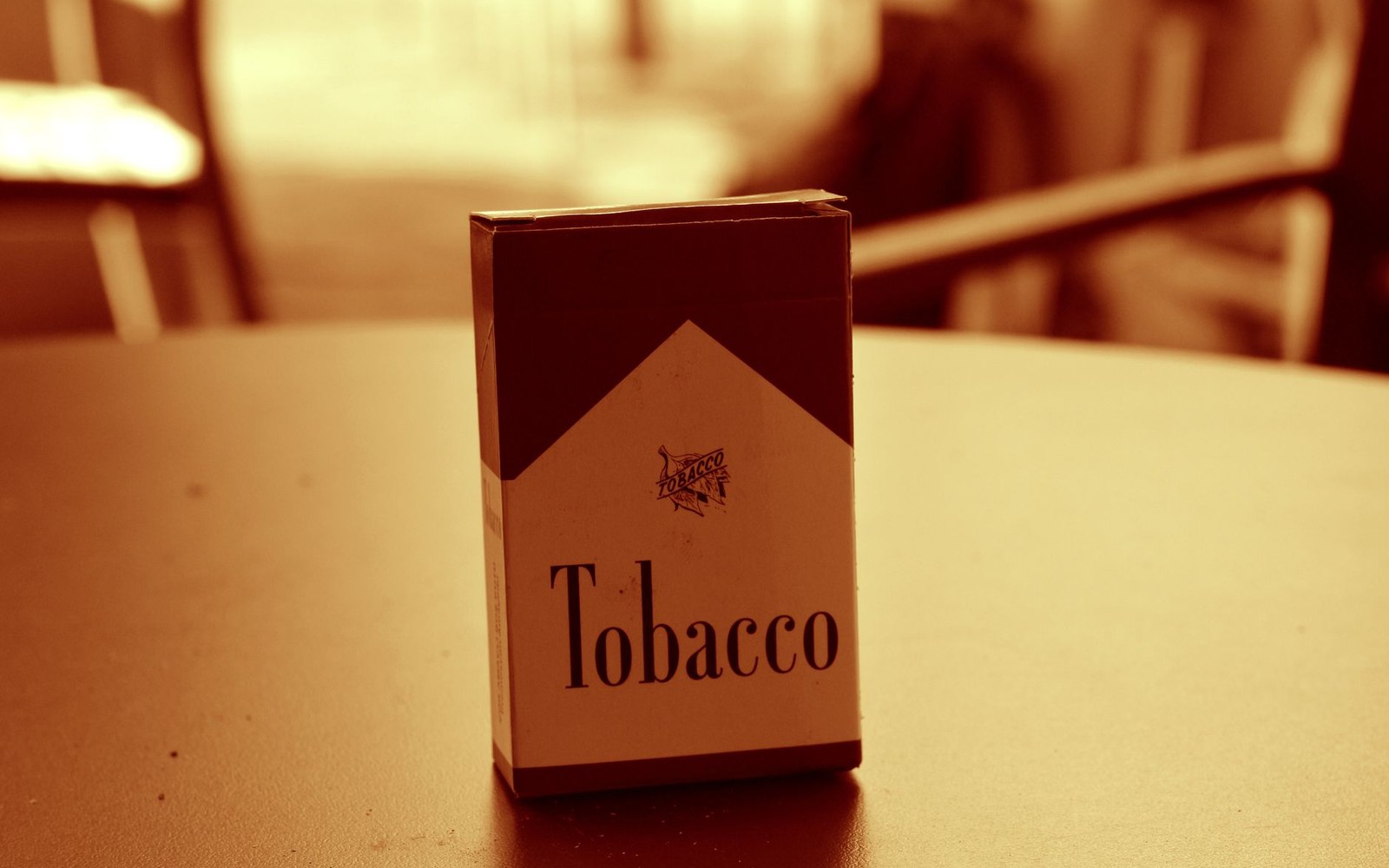
The Act prohibited tobacco manufacturers and importers from selling products in packaging that bore any brand logo, trademark, or decorative element. Brand names remained permitted but only in a standardised font — Lucida Sans — at a mandated size, printed in a specific shade of drab brown officially designated Pantone 448 C, a colour described in public commentary as one of the least appealing in common use. No colour backgrounds, no stylised lettering, no images other than the legislated graphic health warnings.

Campaign material survives as paper in boxes; the litigation record survives as scans.
Photo: cottonbro studio / Pexels
Those warnings were themselves tightly prescribed. Graphic health warnings — photographic or illustrated images depicting smoking-related diseases — were required to cover 75 percent of the front face and 90 percent of the back face of a cigarette pack. The text of each warning, the specific images, and their rotation schedule were set by regulation under the Act, not left to manufacturer discretion. The Tobacco Plain Packaging Regulations 2011, published in the Australian Government Gazette, governed every remaining visual parameter: the gloss level of the surface, the positioning of required text, and the allowable dimensions of pack sizes.
The rationale was explicit in the Act's objects clause: to reduce the appeal of tobacco products, increase the effectiveness of graphic health warnings, and reduce the ability of tobacco packaging to mislead consumers about the effects of smoking. No compensatory payment to trademark holders was provided, a deliberate policy position that became the centrepiece of the legal challenges that followed.
Two International Challenges
Philip Morris Asia, the Hong Kong-registered subsidiary of Philip Morris International, invoked the 1993 bilateral investment treaty between Australia and Hong Kong in November 2011 — before the Act had even come into force. The company argued that the law expropriated its intellectual property without compensation, breaching protections guaranteed under the treaty. The arbitral tribunal, constituted under UNCITRAL rules, dismissed the claim in December 2015, finding that Philip Morris had restructured its Australian interests through the Hong Kong entity specifically to gain access to the treaty's protections, conduct that constituted an abuse of process. The tribunal declined jurisdiction and never reached the merits.
Chronology
- 1 December 2011Tobacco Plain Packaging Act 2011 receives royal assent
- 1 December 2011Tobacco Plain Packaging Act 2011 receives royal assent
- 1 December 2012Plain packaging takes full effect in Australia
- December 2015UNCITRAL tribunal dismisses Philip Morris Asia arbitration for abuse of process
- June 2018WTO panel report issued; Australia prevails on TRIPS and TBT grounds
- June 2020WTO Appellate Body upholds panel findings on appeal by Honduras and Dominican Republic
The trade-law challenge was more consequential because it engaged a wider coalition of complainants. Several countries — Honduras, the Dominican Republic, Cuba, Indonesia, and Ukraine — each filed requests for consultations with the World Trade Organization under the Agreement on Trade-Related Aspects of Intellectual Property Rights (TRIPS) and the Agreement on Technical Barriers to Trade (TBT Agreement). They argued that Australia's law impermissibly nullified trademark rights and created an unnecessary barrier to trade.
The WTO panel examining the dispute issued its report in June 2018, finding in Australia's favour on the central questions. The panel concluded that the plain-packaging measures were consistent with Australia's obligations under TRIPS, which permits members to impose conditions on the use of trademarks provided those conditions do not conflict with the Agreement's core protections. The complainants had not demonstrated that the measures were more trade-restrictive than necessary within the meaning of the TBT Agreement. Honduras and the Dominican Republic appealed to the WTO Appellate Body, which in June 2020 upheld the panel's findings on the substantive grounds, completing Australia's defence of the legislation.
The decisions had immediate international resonance. The United Kingdom enacted its own standardised packaging requirement in 2016; Ireland and France followed. The WHO's Framework Convention on Tobacco Control had included packaging as a domain for member action, and Australia's legislation and its vindication in both forums gave subsequent adopters a defended legal template. No national court, treaty tribunal, or multilateral trade panel has since overturned a plain-packaging statute in any jurisdiction.