A public-health advertising campaign funded by tobacco-company settlement payments — its documented executions, its measured reach, and the youth-smoking figures the CDC recorded during its first decade.
The Funding Mechanism
The truth® campaign went on air in February 2000, operated by the American Legacy Foundation — the nonprofit created under the 1998 Master Settlement Agreement to receive a dedicated share of tobacco-company payments. The MSA required the major settling manufacturers to fund the Foundation at specified levels: $25 million in its first year, scaling to $300 million across five years. That money came directly from Philip Morris USA, R.J. Reynolds Tobacco Company, Lorillard Tobacco Company, and the other signing companies. The structural irony was explicit in the Foundation's own reporting: a campaign designed to reduce youth tobacco use was bankrolled by the industry whose products it targeted.

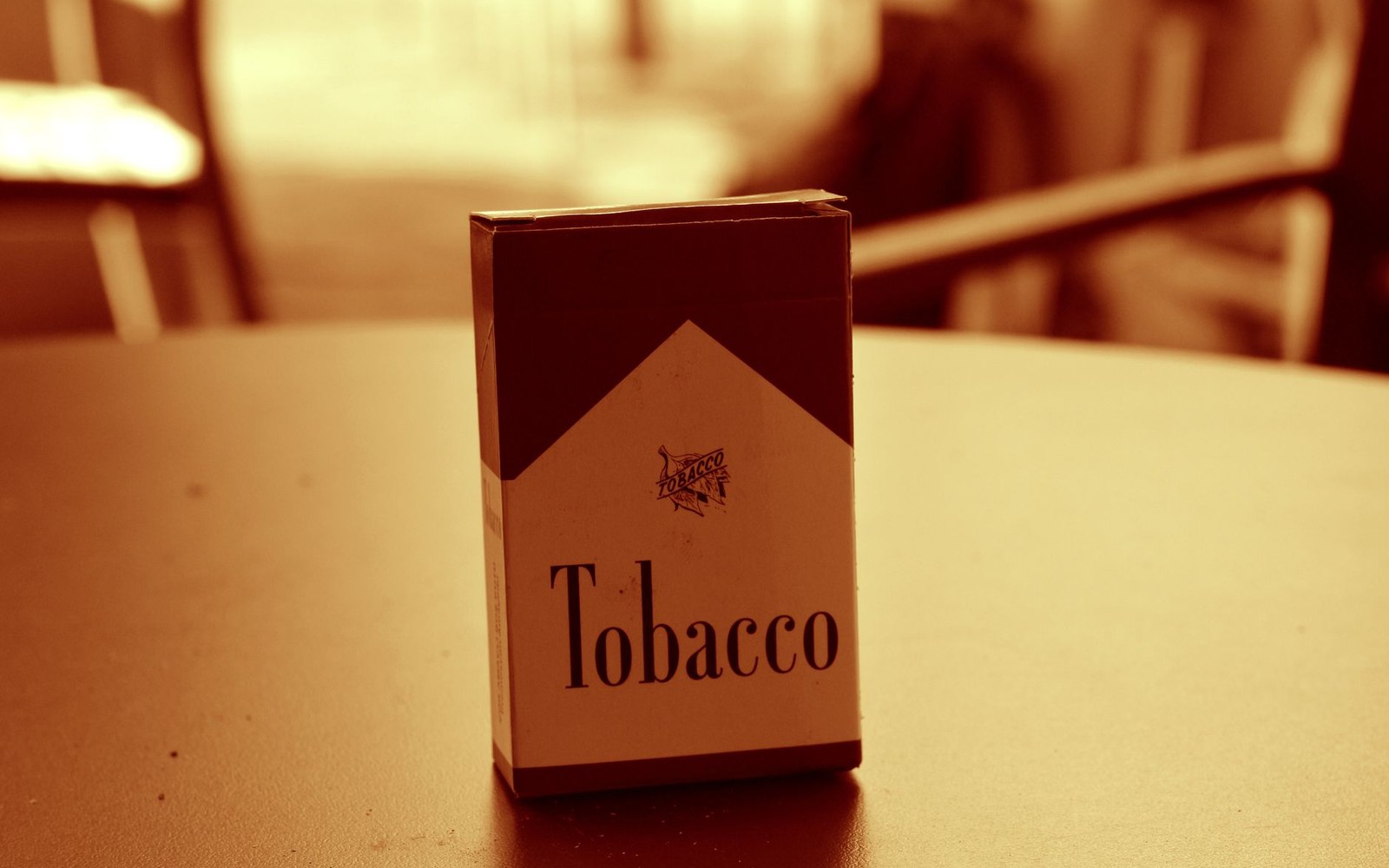
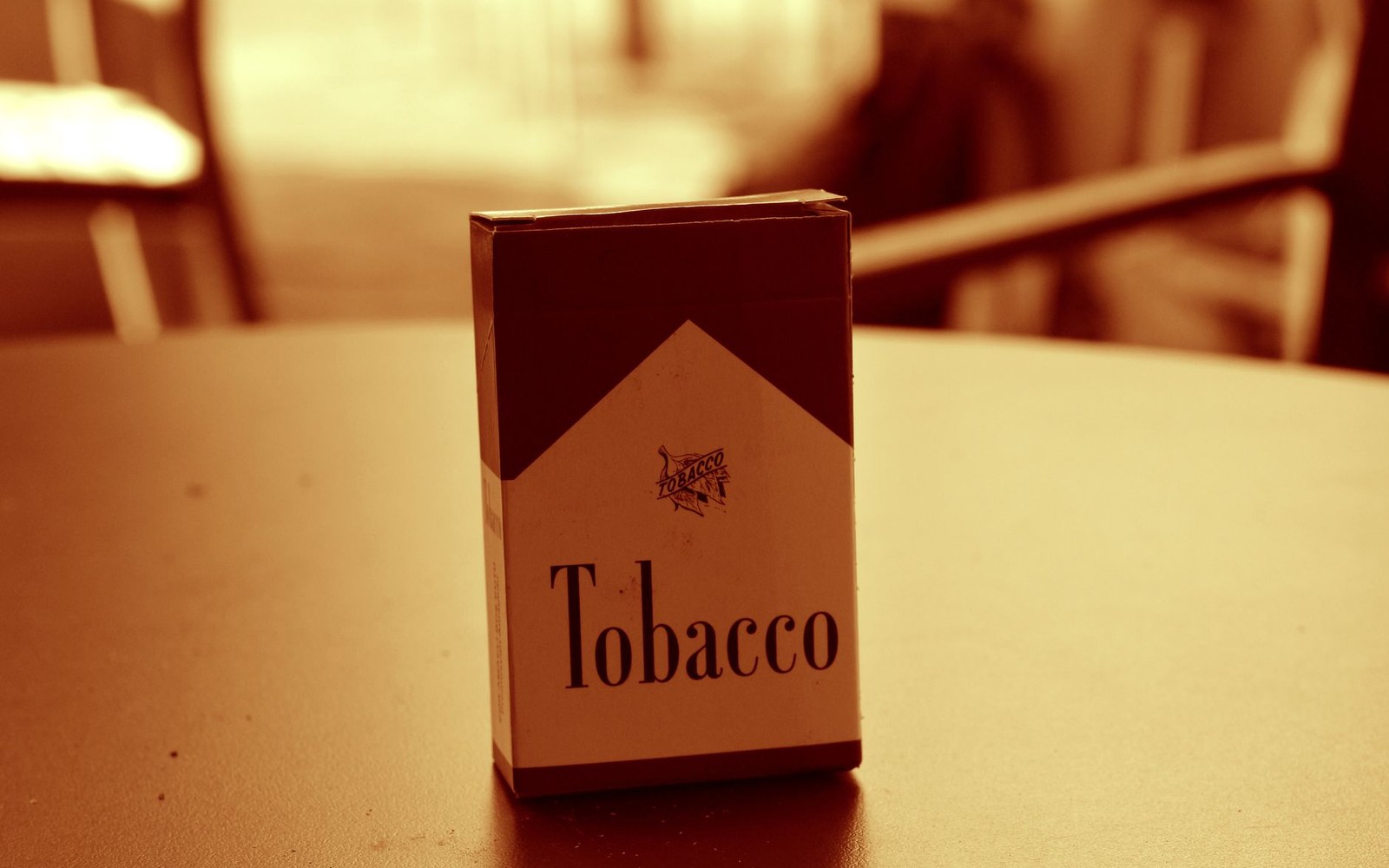
Campaign material survives as paper in boxes; the litigation record survives as scans.
Photo: cottonbro studio / Pexels
The American Legacy Foundation awarded the creative account to Arnold Worldwide and Crispin Porter + Bogusky. The campaign's truth® brand identity — the lowercase name with the registered-trademark symbol — was deliberate: it co-opted the conventions of commercial branding and turned them against the industry. That posture defined every subsequent execution.
Named Executions and Strategy
The campaign's early work was built around what the Foundation called "industry manipulation" messaging — advertisements that exposed tobacco-company marketing and internal research practices rather than depicting sick individuals. The distinction mattered strategically. Earlier anti-tobacco campaigns, including those run by state health departments, had relied on fear appeals. truth® instead addressed teenagers as a target audience being deceived by a corporation.
Several executions became widely documented in academic literature. The "Body Bags" spot — in which young people piled 1,200 body bags outside the New York headquarters of a tobacco company to represent daily U.S. smoking deaths — ran in 2000 and generated significant press coverage. The "Dog Walker" and "Infect Truth" executions followed in subsequent years, each maintaining the exposure framing. The Foundation published internal research showing the campaign achieved high levels of unaided awareness among the twelve-to-seventeen demographic it was designed to reach.
Chronology
- February 2000truth® campaign launches nationally
- 2000–2003NYTS records high-school current smoking rate falling from ~28% to ~20%
- 2001R.J. Reynolds arbitration challenge; partial creative modification
- 2005American Journal of Public Health study attributes ~22% of youth-smoking decline to campaign
- 2015American Legacy Foundation rebrands as Truth Initiative; campaign continues
R.J. Reynolds filed a legal objection in 2001, arguing that specific truth® advertisements violated an MSA provision prohibiting the Foundation from making "material that constitutes vilification" of tobacco companies. An arbitration panel examined the claim; the Foundation modified certain creative elements but the campaign continued without structural interruption. The episode illustrated a tension embedded in the MSA's design: the settling companies were simultaneously funding the Foundation and retaining a contractual mechanism to constrain its outputs.
What the CDC's Data Recorded
The National Youth Tobacco Survey, administered by the CDC, provides the primary longitudinal record of youth smoking rates during the campaign period. NYTS data showed that current cigarette use among high-school students fell from approximately 28 percent in 2000 to approximately 20 percent by 2003, a decline that tracked closely with the campaign's peak spending years. Among middle-school students the fall was proportionally similar.
A peer-reviewed study published in the American Journal of Public Health in 2005 — drawing on NYTS data and national media-exposure measures — estimated that the truth® campaign accounted for a measurable share of the overall decline in youth smoking between 1999 and 2002, independent of price effects and state-level programmes. The authors attributed roughly 22 percent of the decline in youth smoking initiation during that period to the campaign. Stanton Glantz of the University of California San Francisco, whose group analysed industry documents relevant to youth-marketing practices, cited the study in subsequent work on the campaign's effectiveness.
Legacy Foundation funding declined after the initial five-year commitment period, and the campaign's national media budget contracted. The Foundation restructured as Truth Initiative in 2015, and the truth® campaign continued under that name with modified creative strategies targeting the emerging e-cigarette market. The core funding architecture — settlement payments flowing from the industry to a Foundation running counter-marketing — remained the mechanism through which the campaign had been built, a structural feature of the MSA that distinguished truth® from every government-funded anti-tobacco programme that preceded it.