The 2014 Directive and Its Provisions
The European Parliament adopted Directive 2014/40/EU on 3 April 2014, replacing the 2001 Tobacco Products Directive and setting uniform rules across all EU member states. Most provisions took effect on 20 May 2016.
The directive established a minimum pack size of twenty cigarettes — eliminating the ten-stick "kiddie packs" that had circulated in several member states — and required that combined health warnings cover 65 percent of the front and back of each cigarette pack. Those warnings must pair a colour photograph with text, following specifications set in an implementing decision the European Commission adopted in 2015. The directive also prohibited promotional descriptors such as "slim," "light," or "natural" from appearing on packaging.

The proposed standard reaches the number only after hundreds of pages of preamble.
Photo: Mikhail Nilov / Pexels
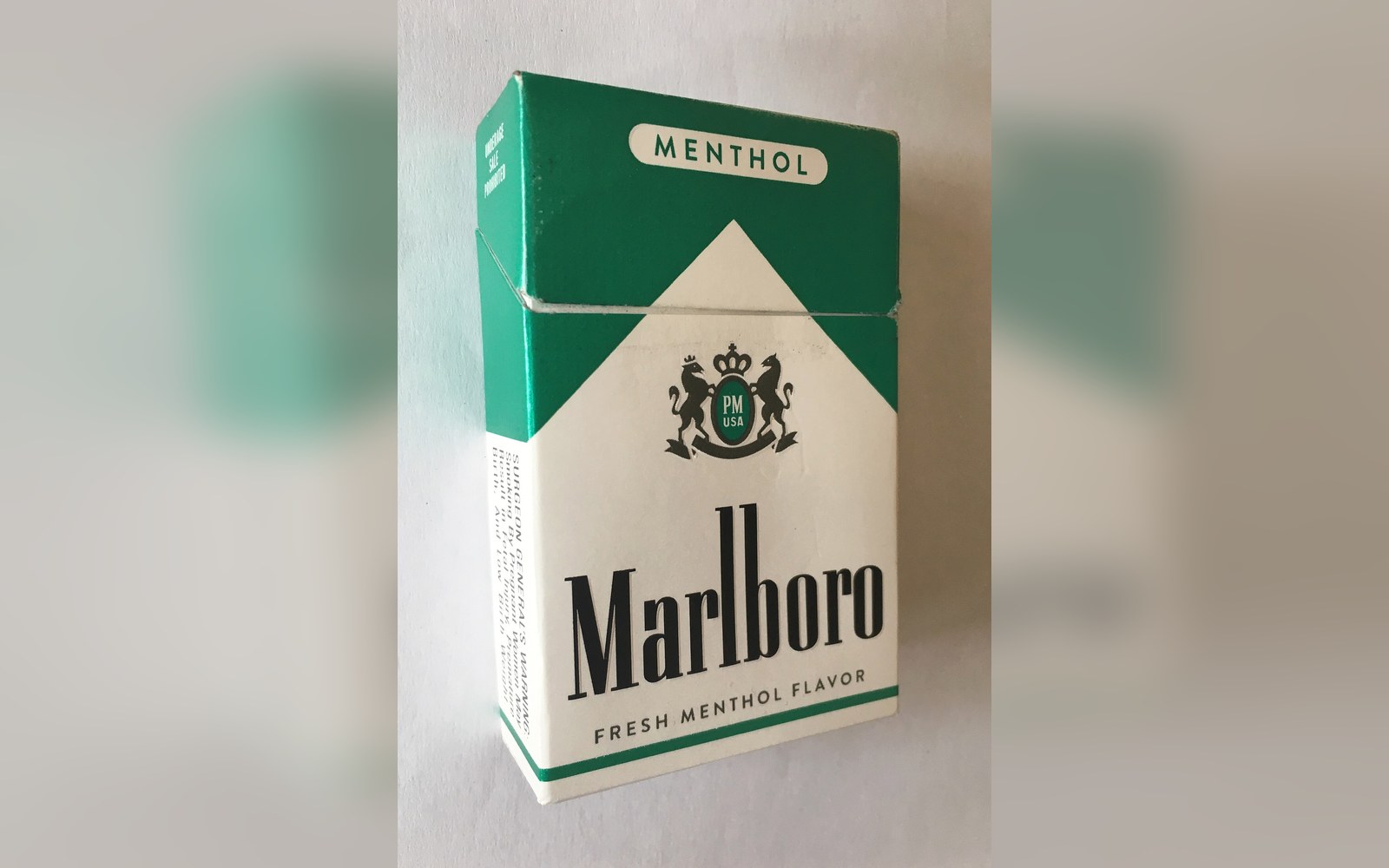
Menthol received a transitional arrangement. Because menthol cigarettes held a significant market share in several member states, the directive allowed their continued sale until 20 May 2020, four years after the general application date. From that date, menthol became a prohibited characterising flavour under Article 7 of the directive — the same category covering vanilla, fruit, and other additives the Commission determined increased the appeal of tobacco products.
Novel tobacco products — heated tobacco units among them — fell under a separate notification framework. Manufacturers were required to submit product data to member state authorities at least six months before placing a new product on the market, a procedure designed to give regulators visibility without requiring pre-market approval equivalent to the U.S. PMTA process.
The directive also introduced mandatory registration of e-cigarettes and refill containers through a common EU portal, with nicotine concentration capped at 20 milligrams per millilitre and tank volume capped at 2 millilitres.
The European Commission's 2021 report on the directive's application found implementation broadly consistent across member states, though enforcement of characterising-flavour restrictions varied.