The Review Mechanism
The Family Smoking Prevention and Tobacco Control Act of 2009 created the premarket tobacco product application as the gatekeeping instrument for new tobacco products in the United States. Any product not on the market as of February 15, 2007 — the statutory predicate date — requires a PMTA before it may legally be sold. The applicant must demonstrate that marketing the product is "appropriate for the protection of the public health," a standard the U.S. Food and Drug Administration evaluates across the full population of likely users, weighing potential harm reduction among existing adult smokers against the risk of initiating or sustaining use among young people. The evidentiary bar is demanding: longitudinal studies, toxicological profiles, marketing-restriction plans, and consumer-perception data.
The Authorisations
Philip Morris International's IQOS heated tobacco system was the first product of its category to receive authorisation, in April 2019, followed by modified-exposure orders in July 2020 — the first of their kind in the FDA's history — permitting specified comparative claims about aerosol constituents. The authorisation covered the HeatStick tobacco consumables marketed under the Marlboro name. A subsequent import-ban order issued by the U.S. International Trade Commission, arising from a patent dispute with R.J. Reynolds, complicated IQOS's U.S. availability, though the regulatory authorisation itself remained in place.
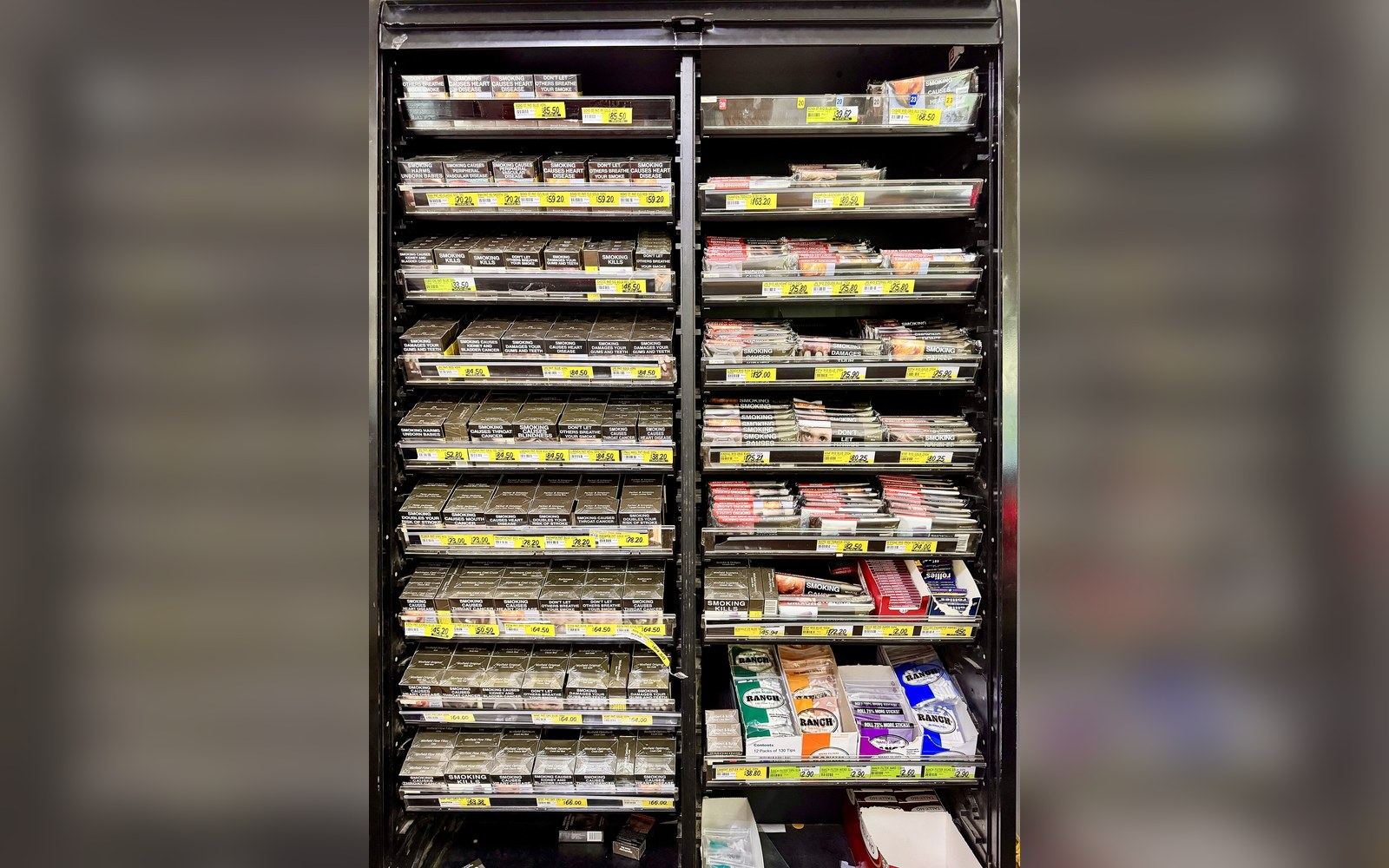
Pantone 448C, one typeface, no brand imagery — the pack as the 2011 Act specifies it.
Photo: Cigarettes plain packaging in Australia · Wikimedia Commons
Reynolds American's Vuse Solo e-cigarette became the first e-cigarette product to clear the PMTA bar when the FDA issued a marketing-granted order in October 2021, limited to the tobacco-flavoured variant. The agency simultaneously denied the flavoured Vuse Solo cartridges, underscoring that authorisation is product-specific and flavour-specific — not a blanket approval of a brand. Further Vuse authorisations followed for certain other configurations, extending a narrow but real list of legally-marketed e-cigarette products.
The JUUL Denial and Stay
The FDA denied JUUL Labs' PMTA in June 2022, citing insufficient and conflicting data on toxicological and pharmacokinetic profiles. The agency's own review found that JUUL had not provided adequate evidence to establish that marketing its products was appropriate for the protection of the public health. JUUL sought and obtained an administrative stay within days of the denial; a federal appeals court issued an emergency stay the same month, halting the denial order while litigation proceeded. The underlying scientific questions — particularly around leachable compounds from JUUL's proprietary pod materials — remained contested. The FDA subsequently announced it would conduct additional scientific review. As of the most recent public record, a final order resolving that review had not been issued, leaving JUUL in a prolonged regulatory limbo that is neither a clean authorisation nor an operative ban.
The Enforcement Gap
The authorised products represent a small fraction of what is actually sold. The disposable e-cigarette market — dominated during the early 2020s by products from manufacturers including Elf Bar, Flum, and dozens of others, the majority originating from Chinese factories — operated entirely outside the PMTA framework. The FDA issued hundreds of warning letters and import-alert actions, and in 2023 mounted a coordinated enforcement effort targeting unauthorised disposables in partnership with U.S. Customs and Border Protection. Critics at public-health organisations and in congressional testimony argued that the enforcement infrastructure was structurally inadequate to match the volume of non-compliant products reaching retail.
The PMTA record, read as a whole, charts a system that is functioning as its architects intended in some respects — requiring genuine scientific review, distinguishing by flavour, and issuing meaningful denials — while being consistently outrun by market realities the 2009 statute did not anticipate. The authorised list remains short; the unauthorised market remains large; and at least one of the most consequential denial decisions is still, years later, unresolved.