What the Law Actually Authorized
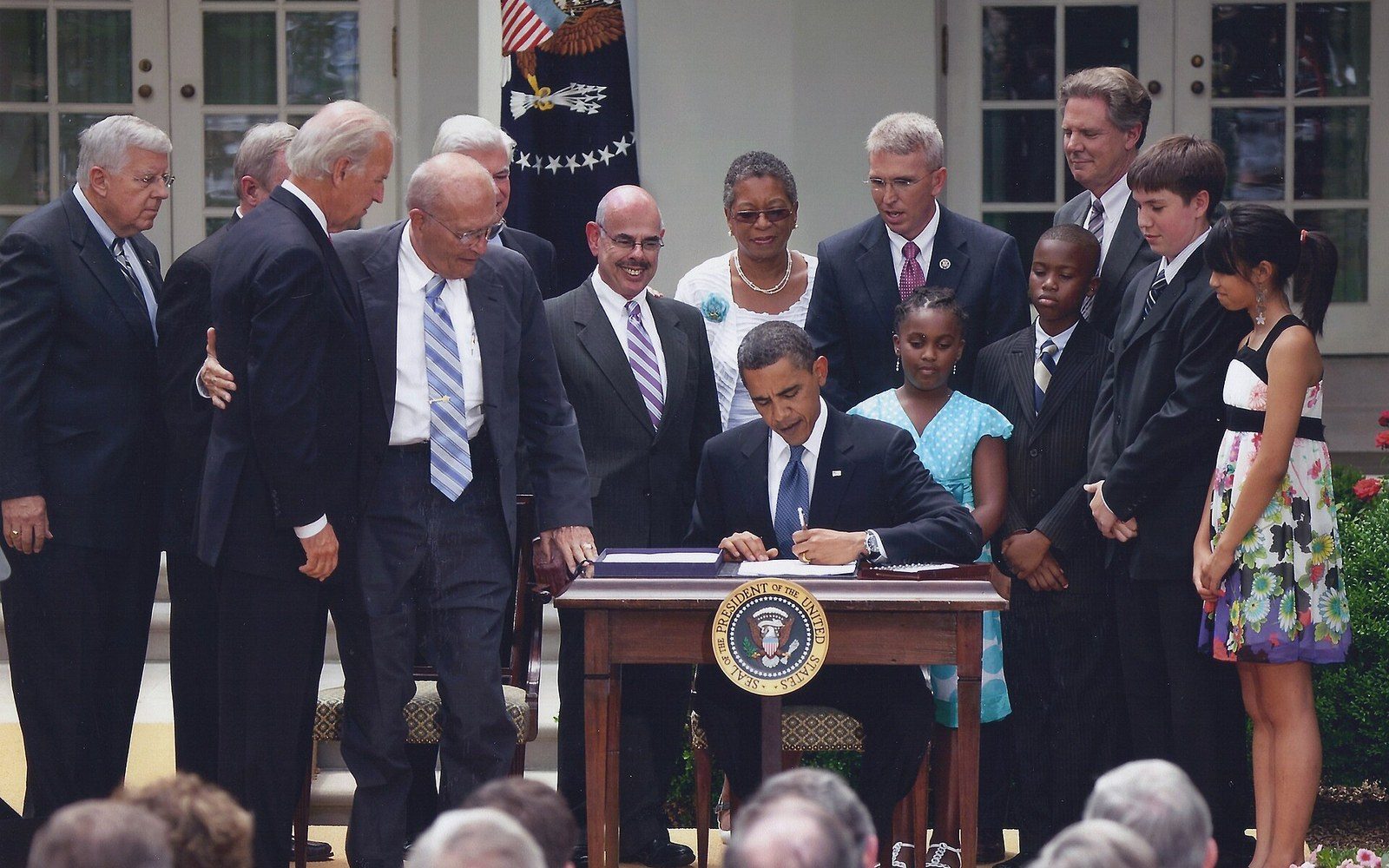
Congress passed the Family Smoking Prevention and Tobacco Control Act on June 12, 2009, and President Obama signed it into law on June 22. The statute, codified at 21 U.S.C. § 387 et seq., added a new Chapter IX to the Federal Food, Drug, and Cosmetic Act and handed the U.S. Food and Drug Administration authority it had sought — and twice lost in court — since David Kessler's tenure as commissioner in the 1990s. The Supreme Court had ruled in FDA v. Brown & Williamson Tobacco Corp. (2000) that Congress had not yet granted FDA that power; the Tobacco Control Act made the grant explicit.
The statute's scope was deliberately circumscribed. The FDA gained authority to regulate the manufacture, marketing, and sale of tobacco products, and to require disclosure of ingredients and restrict certain additives — but Section 907(d)(3) prohibited the agency from using that authority to ban cigarettes outright or to reduce nicotine yields to zero. What the law permitted was the setting of product standards, including a proposed nicotine product standard that the FDA announced in 2017 and has not yet finalized. The statute also restricted the agency to regulating tobacco, not eliminating it — a line that has shaped every rulemaking since.

Testimony given in a room like this became the transcript later cited in the racketeering case.
Photo: Hearing Room Wisconsin State Capitol - panoramio · Wikimedia Commons
The Act immediately subjected cigarettes, cigarette tobacco, roll-your-own tobacco, and smokeless tobacco to FDA oversight. Products beyond those four categories required a separate rulemaking to bring under Chapter IX authority — a process that produced the 2016 deeming rule, which extended FDA jurisdiction to e-cigarettes, cigars, and hookah tobacco.
Warning Labels and the Litigation They Generated
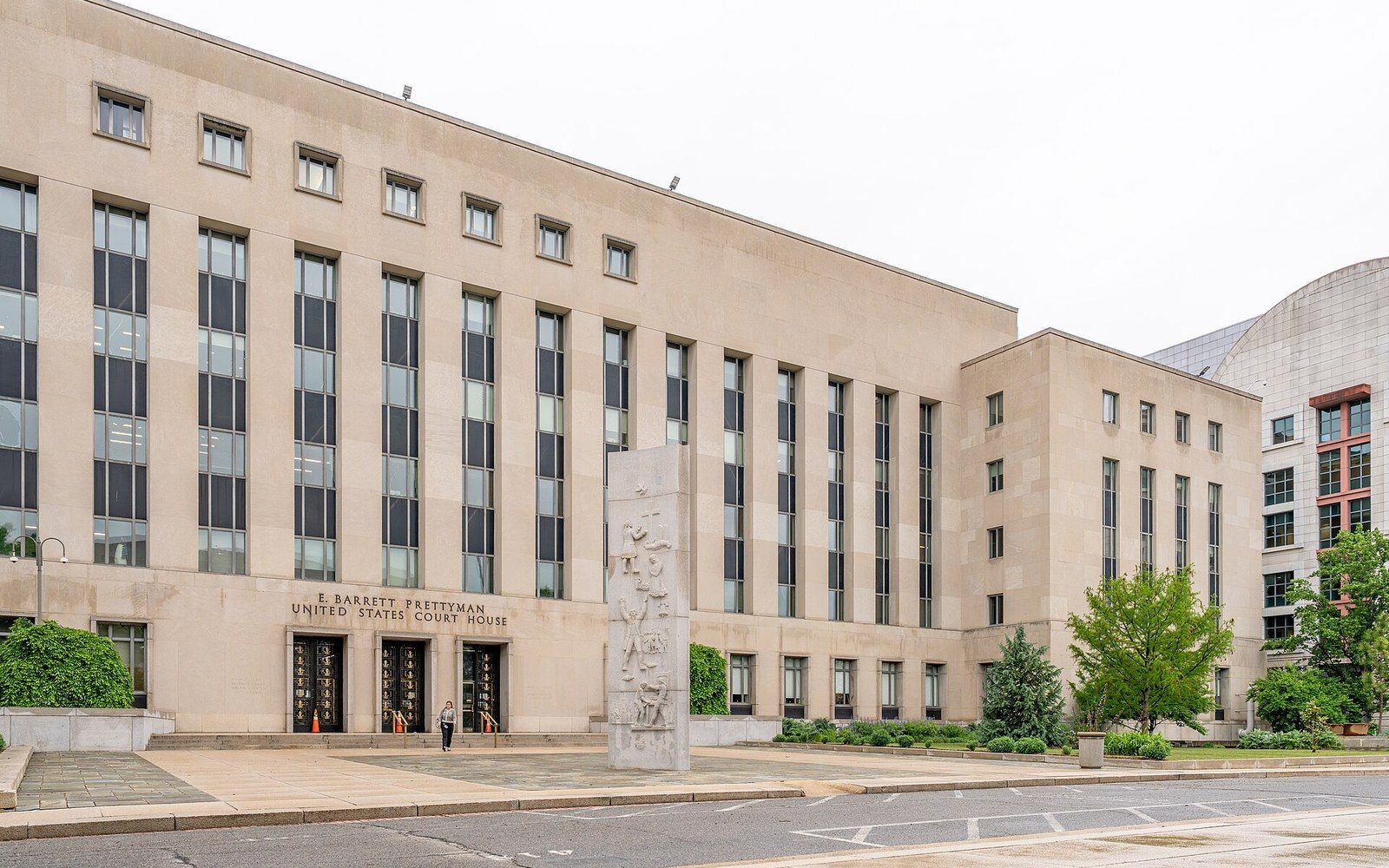
Section 201 of the Act required the FDA to issue a rule mandating graphic warning labels on cigarette packages and advertising, covering at least fifty percent of each principal display panel. The FDA proposed its graphic-warning rule in November 2010 and finalized it in June 2011, selecting nine image-and-text combinations from a set it had commissioned and tested. Philip Morris USA, R.J. Reynolds Tobacco Company, Lorillard Tobacco Company, and other manufacturers filed suit in the U.S. District Court for the District of Columbia, arguing that compelled display of graphic imagery violated the First Amendment. Judge Richard Leon ruled in 2011 that the FDA's chosen images were unconstitutional as applied; the D.C. Circuit affirmed the preliminary injunction in 2012. The FDA withdrew its 2011 rule and issued a revised graphic-warning rule in March 2020, selecting eleven new image-and-text warnings based on evidence it characterized in the Federal Register as meeting the constitutional standard established by the litigation. Industry plaintiffs again challenged the 2020 rule; as of this writing, that litigation remains unresolved.
The PMTA Framework
The Tobacco Control Act created a premarket review requirement that was new to the tobacco category. Under Section 910, any tobacco product first marketed after February 15, 2007 — the statute's "predicate date" — requires a Premarket Tobacco Product Application before it may be legally sold. A manufacturer must demonstrate to the FDA that permitting the product's marketing is "appropriate for the protection of public health," assessed against the population as a whole, including both users and non-users. That standard, set out in 21 U.S.C. § 387j(c)(4), has generated extensive regulatory and judicial activity as the FDA has worked through a backlog of millions of applications filed primarily by e-cigarette makers ahead of the September 2020 deadline set for existing products.
The statute also established the Tobacco Products Scientific Advisory Committee and required manufacturers to register with the FDA and report ingredients annually. It prohibited certain characterizing flavors in cigarettes — explicitly excluding menthol from that initial prohibition, a carve-out that became the subject of a separate proposed rule in April 2022.
The Act, as recorded in the Congressional Record for the 111th Congress , passed the House 307–97 and the Senate 79–17. Those margins reflected broad support, but the statute's architecture — granting real authority while writing in explicit constraints — has meant that nearly every significant FDA tobacco action since 2009 has required its own rulemaking, its own litigation, and its own years-long timeline.