The Settlements That Came First
Mississippi filed the first state lawsuit in May 1994, with Attorney General Mike Moore arguing that Medicaid costs gave the state standing to sue even without identifying individual sick smokers. The case settled in July 1997 for $3.4 billion paid out over twenty-five years — no admission of liability, no significant marketing restrictions.
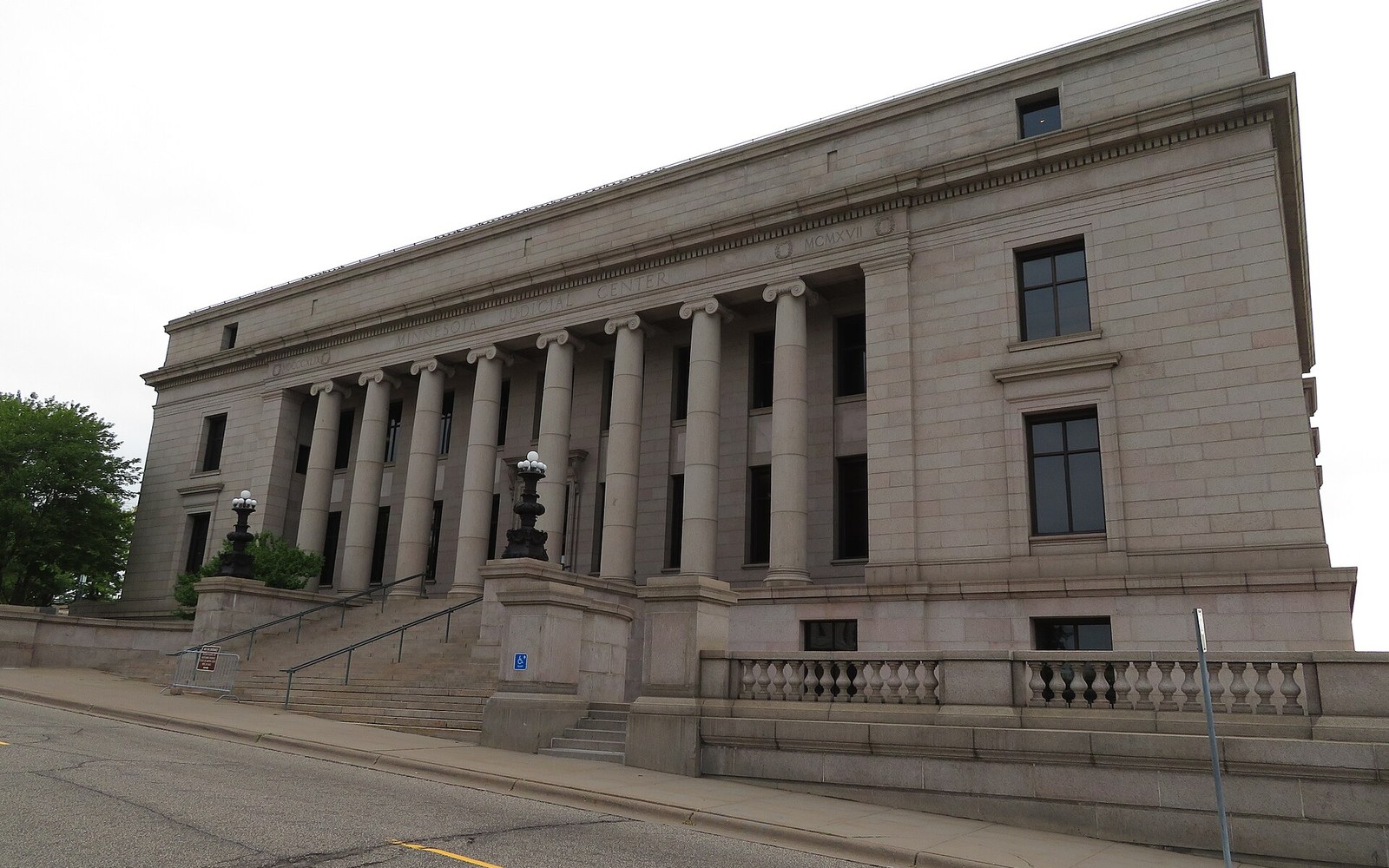
Florida followed in August 1997, settling for $11.3 billion over twenty-five years. Attorney General Bob Butterworth had the advantage of a 1994 state statute that had specifically modified Florida's tort law to ease Medicaid recovery suits. The industry's legal exposure was unusually clear, and the settlement came quickly. Minnesota settled in May 1998 for $6.1 billion, but its terms included something the others lacked: a requirement that the companies turn over millions of internal documents to a public depository at the University of Minnesota and the University of California San Francisco. That archive became one of the most consequential instruments of tobacco litigation research. Attorney General Hubert "Skip" Humphrey III had pursued the case alongside Blue Cross Blue Shield of Minnesota, a private co-plaintiff whose inclusion broadened the claim. Texas settled in January 1998 for $15.3 billion over twenty-five years, negotiated under Attorney General Dan Morales.
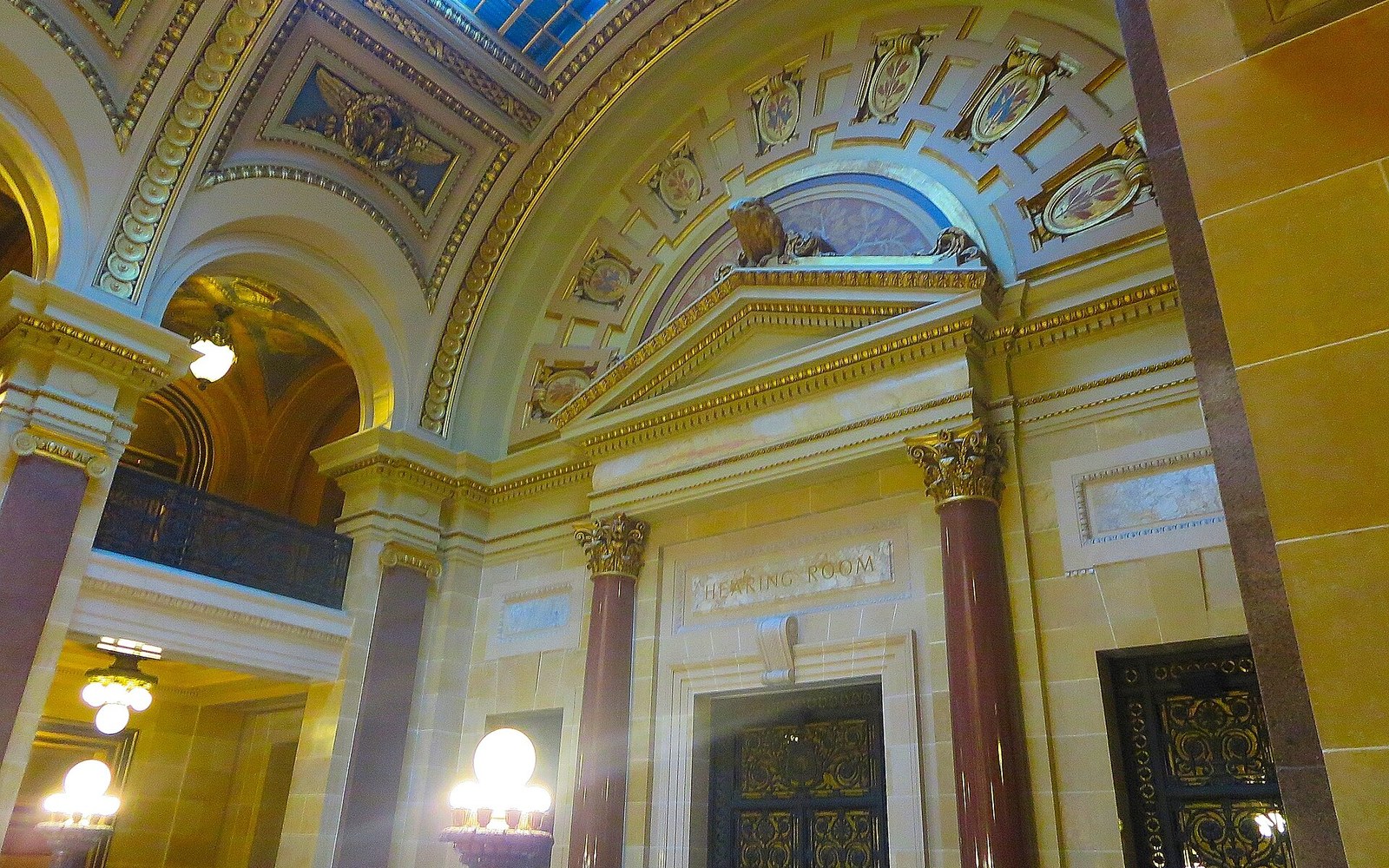
Testimony given in a room like this became the transcript later cited in the racketeering case.
Photo: Hearing Room Wisconsin State Capitol - panoramio · Wikimedia Commons
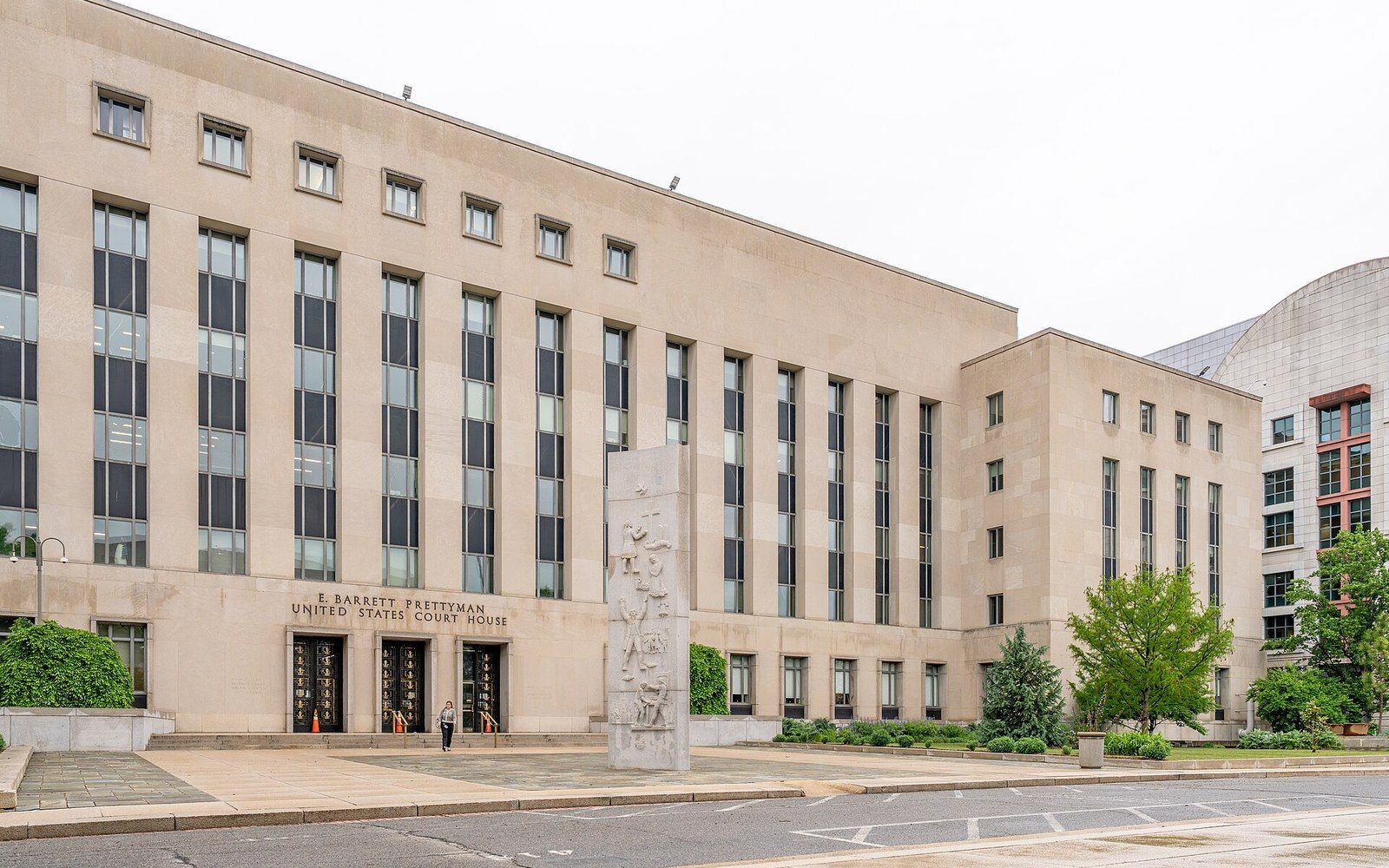
Together the four deals totalled roughly $36 billion — committed before the larger negotiation closed. When the remaining forty-six states and the District of Columbia reached the Master Settlement Agreement in November 1998, the final structure reflected what the earlier settlements had already conceded. The MSA's advertising restrictions and the creation of the American Legacy Foundation were additions the industry accepted in part because the prior settlements had demonstrated it could survive without blanket immunity. The four early movers also extracted no RICO-style findings; those would wait for a federal courtroom and Judge Gladys Kessler's 2006 ruling.