The Hearing and What Was Said Under Oath
On April 14, 1994, seven chief executives of the major American tobacco companies appeared before the U.S. House Subcommittee on Health and the Environment and testified under oath. The lineup was striking in its completeness: James Johnston of R.J. Reynolds Tobacco Company, Thomas Sandefur of Brown & Williamson Tobacco Corporation, Edward Horrigan of Liggett Group, Andrew Tisch of Lorillard Tobacco Company, William Campbell of Philip Morris USA, Joseph Taddeo of United States Tobacco Company, and Donald Johnston of American Tobacco Company. The hearing was convened by Representative Henry Waxman of California, who had pressed for sworn testimony rather than the voluntary appearances tobacco executives had customarily offered.
The central questions put to each executive concerned two propositions: whether nicotine was addictive, and whether companies manipulated nicotine levels to sustain dependence. One by one, each executive stated, under oath, that he did not believe nicotine to be addictive. The precision of that shared answer — its verbal near-uniformity across seven men representing competing corporations — was noticed by observers in the room and recorded in the Congressional Record with the repetitive clarity of a litany.

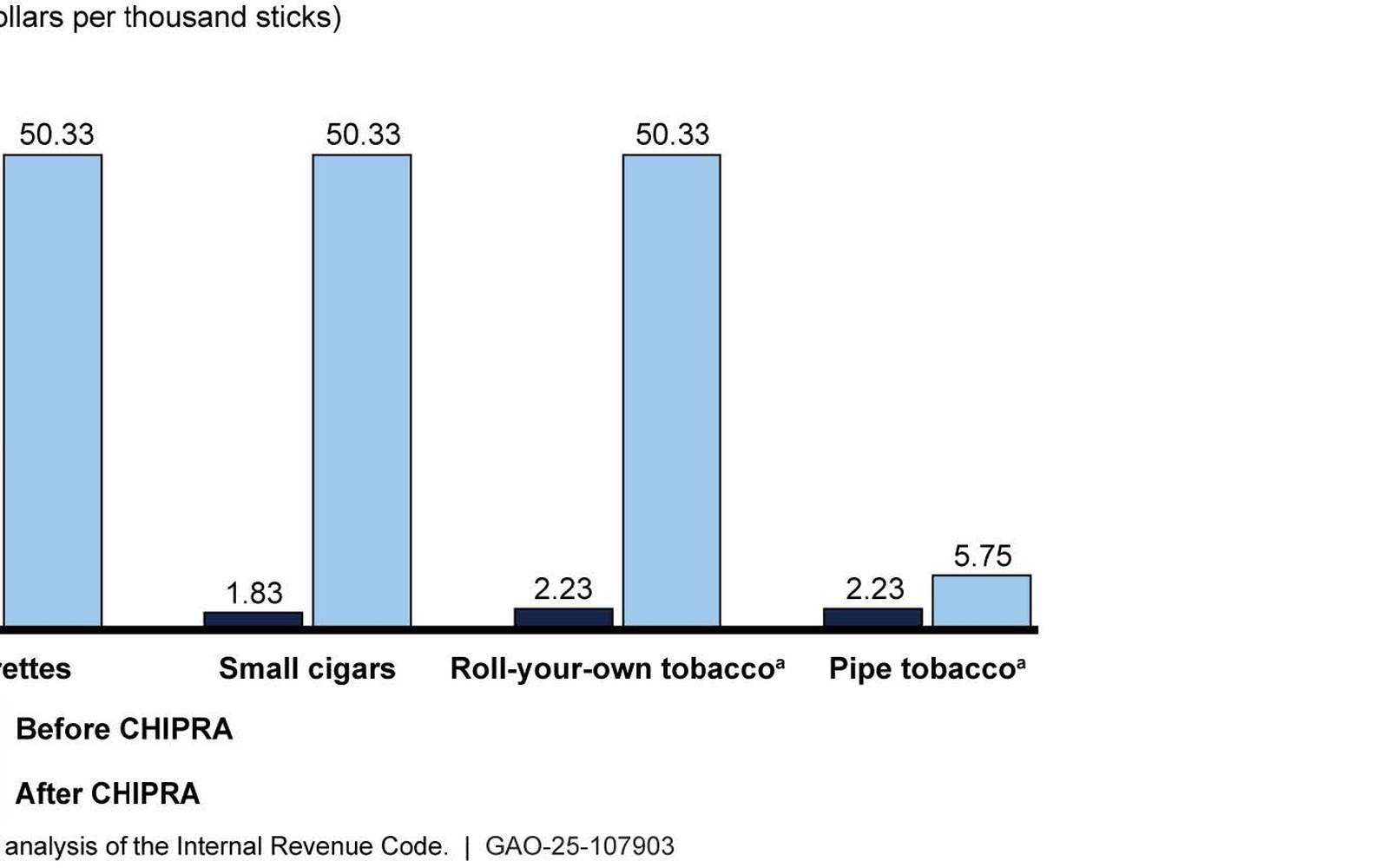
The proposed standard reaches the number only after hundreds of pages of preamble.
Photo: Mikhail Nilov / Pexels
What the executives did not say was as significant as what they did. None acknowledged internal research bearing on addiction. None referenced the work of their own scientists. The Brown & Williamson documents, which would surface publicly later that same year through the efforts of researcher Stanton Glantz at the University of California San Francisco, would eventually show that internal scientific understanding within at least one company had diverged sharply from public testimony for years. The UCSF Truth Tobacco Industry Documents archive holds millions of pages of internal industry records that illuminate that gap.
From Congressional Record to Federal Court
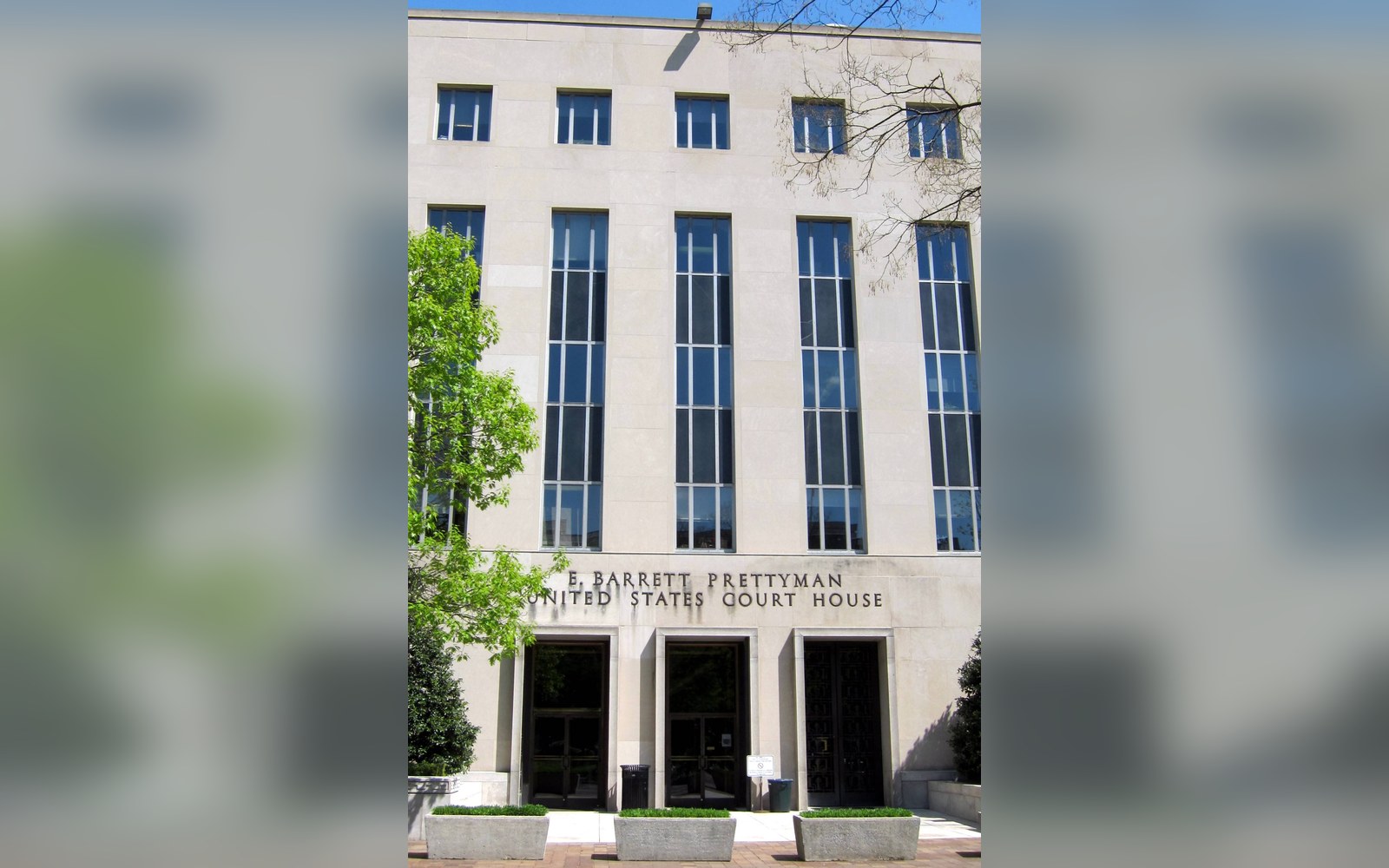
The April 14 transcript entered the documentary record of the subsequent federal RICO case as a primary source precisely because the executives had spoken under oath. When the United States Department of Justice filed its civil action in 1999, the government's theory under the Racketeer Influenced and Corrupt Organizations Act required evidence of a pattern of fraudulent misrepresentations extending over decades. Congressional testimony, sworn and publicly recorded, supplied one of the clearest available snapshots of what company leadership stated as official fact at a defined moment in time.
Judge Gladys Kessler's 2006 judgment in United States v. Philip Morris — running to roughly 1,700 pages of findings — drew on the 1994 hearing as part of the evidentiary foundation for her conclusion that the defendant companies had fraudulently denied, suppressed, and misrepresented the addictive properties of nicotine over a prolonged period. The Congressional Record's authority as an official government document meant its contents required no authentication; the testimony was self-certifying as to what had been said, and when, and by whom.
The hearing also accelerated regulatory pressure at the U.S. Food and Drug Administration. David Kessler, then the FDA Commissioner, had already begun the agency's internal assessment of whether nicotine should be regulated as a drug delivery device. The spectacle of seven executives making identical public denials under oath — at a moment when internal documents were beginning to circulate — strengthened the political and legal case for asserting federal jurisdiction. The FDA's subsequent 1996 rule asserting authority over tobacco was ultimately struck down by the Supreme Court in FDA v. Brown & Williamson Tobacco Corp. in 2000, but the direction of regulatory travel had been set.
The April 14, 1994 hearing remains one of the most-cited moments in American tobacco-control history not because it produced immediate legal consequences, but because it created a fixed, sworn, public record against which internal documents and subsequent scientific findings could be measured. Seven men said the same thing on the same afternoon. The transcript did not expire.